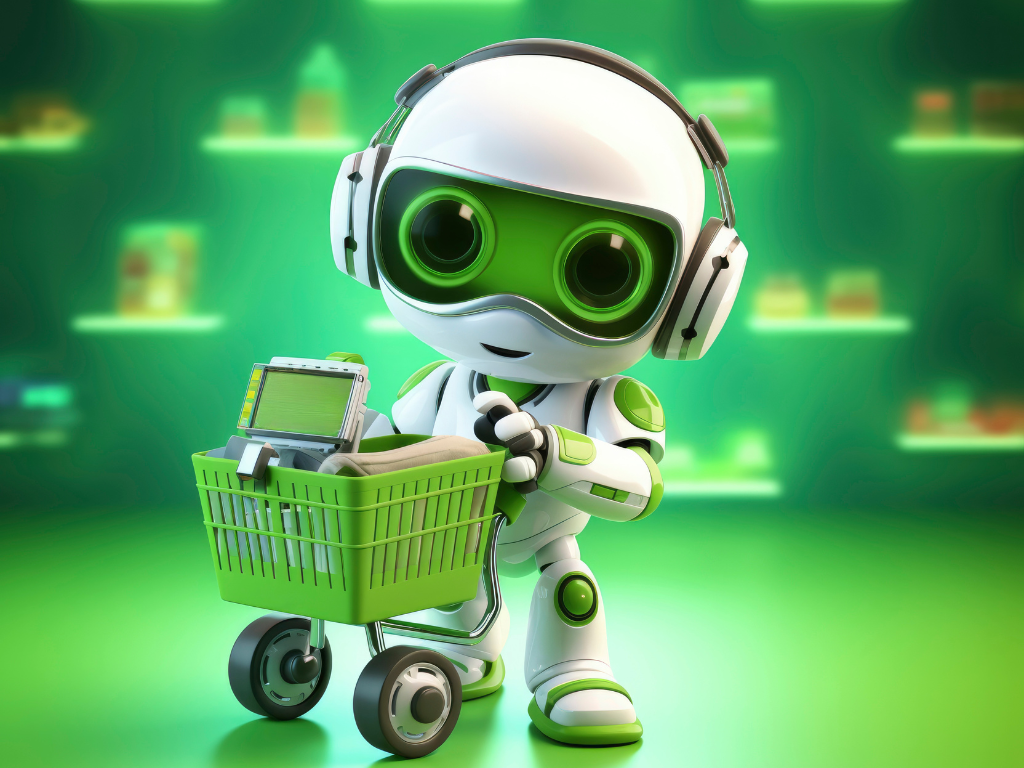
How to Build a Chatbot for Retail Industry: 2026 Guide
"In 2026, the best salesperson doesn't stand behind a counter—it chats in your customer's pocket."
The retail world is evolving faster than ever, and customer expectations have gone from "nice to have" to "now or never." Enter the chatbot for retail—a 24/7 virtual assistant that never sleeps, never forgets, and always sells. Whether it's helping shoppers find the right product, offering real-time promotions, or processing payments, chatbots are transforming retail interactions into seamless, personalized experiences.
In an era where every second counts, AI-driven chatbots in retail industry are bridging the gap between in-store and digital experiences. They're not just automating conversations—they're creating contextual, human-like engagements that build loyalty and drive sales. From retail banking to fashion and grocery chains, the shift toward conversational commerce is reshaping how brands connect with their audiences.
And at the forefront of this transformation is NovusVista, a trusted Chatbot Development Company leveraging AI, NLP, and predictive intelligence to build retail chatbots that do more than talk—they convert.
Why the Retail Industry Needs Chatbots in 2026?
Because the modern shopper doesn't browse—they expect personalized, instant answers.
In 2026, the retail experience is no longer about just selling products—it's about selling convenience, relevance, and speed. Customers today move fluidly between online and offline channels, expecting real-time assistance everywhere. That's why investing in a chatbot for retail is no longer optional—it's essential.
Retailers are using chatbots not just to manage customer inquiries, but to personalize recommendations, automate loyalty programs, and even manage inventory queries—all in real time. From boutique stores to global retail chains, chatbots in retail industry have become the backbone of conversational commerce.
How Chatbots Are Redefining Retail Operations?
- 24/7 Customer Support: Always-on availability ensures that no customer query goes unanswered, improving satisfaction and retention.
- Personalized Marketing: Chatbots analyze shopping patterns to deliver hyper-targeted promotions and product suggestions.
- Real-Time Inventory Updates: Shoppers can ask if an item is in stock and get instant answers synced from ERP systems.
- Loyalty & Rewards Automation: Retail chatbots keep customers informed about loyalty points, exclusive offers, and membership benefits.
- Reduced Human Load: By automating repetitive inquiries, retail staff can focus on high-value interactions.
Business Impact of Chatbots in Retail Industry
| Business Function | Chatbot Impact |
|---|---|
| Customer Support | Handles up to 80% of repetitive queries automatically |
| Sales & Upselling | Personalized offers drive 20–35% increase in average order value |
| Inventory Queries | Provides instant stock visibility |
| Loyalty Programs | Automates reward reminders and renewals |
| Marketing Engagement | Boosts open and click-through rates by 40–50% |
Retailers that embrace chatbot for retail solutions are not just improving customer service—they're redefining how shopping feels. These chatbots deliver personalized experiences at scale, build trust through real-time interactions, and ultimately convert browsing into buying.
Transform Retail Conversations into Conversions
Ready to deploy an AI-powered chatbot for retail that sells, supports, and scales? Let NovusVista design a solution that keeps customers coming back.
[Get Your Free Retail Chatbot Consultation]Key Features Every Retail Chatbot Should Have
Because your retail chatbot shouldn't just assist—it should anticipate.
The best chatbot for retail blends intelligence with empathy, guiding customers through their shopping journey while driving measurable business growth. Whether online, in-store, or on social platforms, these bots are transforming how retail brands engage and convert.
1. Omnichannel Support
Customers don't stick to one platform—neither should your chatbot. A retail chatbot must work seamlessly across your website, mobile app, social media, and even in-store kiosks to ensure consistent brand experiences everywhere.
2. Smart Product Search
A retail AI chatbot equipped with NLP can understand customer intent ("Show me red sneakers under $100") and deliver accurate results. This minimizes friction and makes product discovery effortless.
3. Personalized Recommendations
Chatbots analyze purchase history, preferences, and behavior to recommend the right products at the right time. It's personalization at scale—helping increase order value and brand loyalty.
4. Order Tracking & Returns
No more "Where's my order?" calls. The chatbot can provide real-time tracking updates, manage returns, and answer post-purchase queries—enhancing customer satisfaction.
5. In-Store Assistance
Retailers with physical outlets can use chatbots as digital concierges—helping customers locate products, check inventory, or book fitting room slots.
6. Loyalty & Rewards Integration
Integrating loyalty programs ensures your customers are constantly updated on reward points, discounts, and membership tiers—encouraging repeat purchases.
7. Secure Transactions
With encrypted payment APIs, retail chatbots allow users to complete purchases safely within the chat window—reducing cart drop-offs.
Feature vs Business Benefit
| Feature | Business Benefit |
|---|---|
| Omnichannel Support | Consistent engagement across all retail touchpoints |
| Smart Product Search | Faster, intuitive buying journeys |
| Personalized Recommendations | Increases repeat sales and basket size |
| Order Tracking & Returns | Enhances post-purchase experience |
| In-Store Assistance | Bridges online and offline experiences |
| Loyalty Integration | Boosts customer retention and engagement |
| Secure Payments | Builds trust and reduces friction in checkout |
A truly effective chatbot for retail solutions doesn't just respond—it predicts, learns, and engages customers with context-aware precision.
Also Read: Top 10 Conversational AI Chatbot Companies
Advanced AI Features Transforming Retail Chatbots in 2026
Because modern retail isn't just automated—it's intelligent.
Retail chatbots in 2026 have evolved far beyond scripted assistants. They now combine AI, analytics, and conversational design to deliver hyper-personalized shopping experiences. The smartest chatbot for retail can predict needs, hold natural conversations, and even understand emotions—bridging the gap between human warmth and machine precision.
1. Predictive Analytics for Smarter Engagement
Powered by Predictive Analytics Services, modern retail chatbots can forecast purchasing trends, anticipate restocks, and suggest products before customers even ask.
2. Visual Search Using Computer Vision
Through Computer Vision Services, shoppers can upload an image to find similar or complementary products—an essential feature in fashion, furniture, and lifestyle retail.
3. Voice-Enabled Retail AI Chatbot
Voice-based assistants allow customers to search, order, or track products hands-free, enhancing accessibility and user convenience.
4. LLM-Driven Contextual Conversations
With LLM Company integration, retail chatbots understand nuance, tone, and context—making interactions feel genuinely human.
5. NLP-Based Sentiment Analysis
Using NLP Services, chatbots can detect customer emotions—like frustration or excitement—and adjust responses or offer assistance accordingly.
6. AI Agent Development for Proactive Shopping
Through AI Agent Development, chatbots can automatically remind users about restocks, expiring loyalty points, or personalized offers—without being prompted.
7. Hyper-Localization & Multilingual Support
Retail AI chatbots can now adapt offers, currencies, and language to match each region's cultural and buying preferences.
8. Generative AI for Personalized Content
As a Generative AI Development Company, NovusVista enables chatbots to craft dynamic product descriptions, promotional messages, and recommendations tailored to each shopper's profile.
Basic Chatbot vs AI-Driven Retail Chatbot (2026)
| Capability | Basic Chatbot | AI-Driven Retail Chatbot (2026) |
|---|---|---|
| Product Discovery | Manual keyword search | Visual + Predictive product suggestions |
| Conversation Type | Scripted Q&A | Contextual, emotion-aware interactions |
| Personalization | Static offers | Real-time, AI-generated suggestions |
| Integrations | Limited | Full omnichannel + ERP, CRM, POS |
| Learning Ability | None | Continuous self-improvement via ML |
| Multi-Language Support | Single language | 25+ languages & localization |
The chatbots in retail industry of 2026 don't just respond—they anticipate. They understand behavior, preferences, and timing—turning every message into a meaningful moment of engagement.
Build Your Custom Retail Chatbot Today
From store to screen—we handle it all. Partner with NovusVista to create intelligent retail chatbot solutions tailored to your brand.
[Start Your Project Now]Retail Chatbot Use Cases Across Business Types
Because the right chatbot doesn't just fit your business—it evolves with it.
A single chatbot for retail can serve multiple business models, from fashion to finance. Whether online or offline, retail chatbots streamline workflows, improve sales, and deliver personalized experiences across every interaction point. Below are the most impactful chatbot use cases in retail, segmented by business type.
E-Commerce & Online Retail
Ecommerce brands use chatbots to provide immediate assistance, enhance personalization, and recover abandoned carts.
- Personalized product recommendations based on browsing and purchase history
- Order tracking and return management
- Automated discounts and cart recovery messages
- Customer feedback and post-purchase surveys
Brick-and-Mortar Retail
In physical stores, chatbots bridge the gap between digital and in-store experiences.
- Real-time store navigation and product availability checks
- Appointment scheduling for personal shopping or trials
- Queue management and virtual assistance during high footfall hours
- Integration with Enterprise Mobility Solutions for staff support and coordination
Retail Banking
Chatbots for retail banking are revolutionizing customer service and financial guidance.
- Balance inquiries, transaction history, and loan eligibility checks
- Personalized investment or savings recommendations using Predictive Analytics Services
- Automated fraud alerts and two-factor authentication for secure interactions
- 24/7 multilingual support for global customers
Luxury & Lifestyle Retail
Luxury brands rely on retail AI chatbot solutions to deliver white-glove service experiences.
- AI-powered concierge for product curation and exclusive launches
- Proactive notifications for limited-edition items or private events
- Loyalty management for premium customers
- Integration with AI Agent Development for personalized follow-ups
Grocery & FMCG Retail
Retailers use chatbots to simplify everyday shopping and manage recurring needs.
- Voice-assisted reordering and replenishment reminders
- Delivery tracking and substitutions in real time
- Cross-selling through smart bundling suggestions
- Integration with CRMs and SaaS Development tools for customer analytics
Retail Segment vs Chatbot Use Case
| Retail Segment | Chatbot Use Case | Primary Benefit |
|---|---|---|
| E-Commerce | Cart recovery, personalized upselling | Higher conversions |
| Brick-and-Mortar | In-store navigation, scheduling | Improved store experience |
| Retail Banking | Account management, 24/7 service | Customer retention & trust |
| Luxury Retail | Concierge recommendations | Brand loyalty & engagement |
| Grocery / FMCG | Reordering & tracking | Customer convenience |
Chatbots have become the invisible salesforce of the retail world—empowering every niche, platform, and customer segment. The result? A frictionless, personalized journey that converts interest into loyalty.
Also Read: Top 10 Chatbot Development Companies
Step-by-Step Process to Build a Chatbot for Retail
Because building a great retail chatbot is less about code—and more about conversation.
Developing a chatbot for retail requires a blend of strategy, user experience, and cutting-edge technology. From defining your goals to deploying and refining the chatbot, each stage determines how well it will perform, engage, and convert.
1. Define Goals and Use Cases
Start with clarity. Identify exactly what your chatbot should achieve—be it product discovery, customer support, or loyalty management. Align each use case with measurable KPIs like reduced response time, improved retention, or increased cart conversions.
2. Choose the Right Development Approach
You can either:
- Build a Custom Chatbot – Ideal for large retailers needing deep integrations, AI personalization, and scalability.
- Use Low-Code or SaaS Platforms – Perfect for mid-sized businesses looking for faster deployment and lower initial costs.
Partnering with a Chatbot Development Company like NovusVista ensures balance between flexibility, performance, and cost efficiency.
3. Design Conversational Flow & UX
Map every potential customer journey—from product search to checkout. Define tone, context, and fallback responses. A conversational design that mirrors your brand's personality makes the chatbot both functional and engaging.
4. Integrate AI & NLP
Incorporate AI Development Company and NLP Services expertise to train your chatbot for contextual understanding. Using LLM Company frameworks ensures natural, tone-aware interactions that adapt to customer sentiment.
5. Connect Backend Systems
Integration is where most chatbots succeed—or fail. A great chatbot for retail solutions must connect with:
- CRM & ERP for order and customer data
- POS systems for real-time pricing and availability
- Payment gateways for secure in-chat transactions
- Marketing Automation Platforms for personalized promotions
6. Test & Train Thoroughly
Testing isn't optional—it's foundational. Simulate real-world user flows, monitor responses, and refine dialogue. Use training data to continuously improve understanding and reduce failure rates.
7. Deploy, Monitor & Optimize
Once live, track performance metrics such as:
- Customer Satisfaction (CSAT)
- Average Response Time
- Conversion Rate per Chat Session
- Cart Recovery Percentage
Use our Software Maintenance and Support Services to monitor system uptime, fix bugs, and upgrade capabilities as AI evolves.
Retail Chatbot Development Timeline
| Development Phase | Estimated Duration |
|---|---|
| Goal Definition & Planning | 1–2 weeks |
| Conversation Design & UX | 2–3 weeks |
| AI/NLP Integration | 3–4 weeks |
| Backend & POS Integration | 2–3 weeks |
| Testing & Optimization | 2 weeks |
| Deployment & Maintenance | Continuous |
Building a successful retail AI chatbot isn't a one-time effort—it's an evolving journey. Continuous optimization ensures that your chatbot not only meets today's demands but anticipates tomorrow's expectations.
Reinvent Retail with Generative AI
Your competitors are already automating. Stay ahead with NovusVista—your trusted Generative AI Development Company for future-ready retail experiences.
[Consult Our AI Experts]Chatbot Development Cost for Retail Industry (2026 Estimate)
Because building the right chatbot isn't about spending more—it's about investing smart.
The cost of developing a chatbot for retail in 2026 depends on how intelligent and integrated you want it to be. From basic automated responders to AI-driven retail ecosystems, pricing varies based on complexity, customization, and long-term scalability.
Key Factors Influencing Retail Chatbot Cost
- Complexity & Scope: A chatbot offering order tracking and product discovery will cost less than one offering predictive analytics, voice, and visual search.
- Integrations Required: Connecting chatbots with POS, CRM, ERP, and inventory systems increases initial cost but delivers significant long-term efficiency.
- AI & Automation Depth: Leveraging Generative AI Development Company, AI Agent Development, or NLP Services adds intelligence—and value—to the bot.
- Platform Choice: Custom-built chatbots offer flexibility and branding control, while SaaS-based solutions are quicker and more cost-effective.
- Multilingual & Omnichannel Support: Expanding to multiple languages, regions, and channels introduces higher training and testing costs.
- Maintenance & Optimization: Post-deployment,Software Maintenance and Support Services ensure continuous upgrades and bug fixes.
Chatbot Type vs Estimated Cost (2026)
| Chatbot Type | Estimated Cost (USD) | Includes |
|---|---|---|
| Basic Retail Chatbot | $6,000 – $12,000 | FAQs, simple product search, single-channel integration |
| AI-Powered Retail Chatbot | $15,000 – $30,000 | NLP, recommendations, loyalty integration, multi-channel support |
| Advanced Retail AI Chatbot | $35,000 – $55,000+ | Predictive analytics, visual & voice search, omnichannel + CRM/ERP integrations |
How NovusVista Keeps Costs Optimized?
At NovusVista, we combine engineering efficiency with business intelligence. By leveraging our modular frameworks and reusable components, we significantly reduce time-to-market and cost of ownership.
Our expertise spans AI Development, Product Engineering Services, and Digital Transformation Company workflows—ensuring that your retail chatbot is not only cost-efficient but built for scale. Whether you need a minimal MVP or an advanced retail AI ecosystem, we align your investment with clear ROI goals.
In short, you don't just pay for a chatbot—you invest in a smarter retail ecosystem that grows with your customers.
Also Read: How to Create AI Chatbot: Step-by-Step Guide for 2026
Why Choose NovusVista for Retail Chatbot Development?
Because building a chatbot is easy—but building one that sells, serves, and scales is an art.
At NovusVista, we don't just create chatbots—we build intelligent retail assistants that redefine how your brand communicates and converts. Our expertise spans from conversational UX to AI-driven automation, helping retail businesses deliver smarter, faster, and more personalized shopping experiences across every channel.
What Makes NovusVista Different?
1. End-to-End Expertise
From discovery to deployment, NovusVista manages the entire lifecycle of your chatbot for retail. Our multidisciplinary team brings together strategy, AI, UX, and engineering—ensuring your chatbot is intelligent, intuitive, and impactful.
2. AI-Infused Architecture
We embed AI Development, Predictive Analytics Services, and NLP Services into every solution. This allows chatbots to understand context, emotions, and intent—making conversations natural, helpful, and human-like.
3. Modular and Scalable Design
Through our Product Engineering Services and SaaS Development frameworks, we build modular chatbots that scale effortlessly as your retail business grows. Whether you start with one store or a hundred, your chatbot expands with you.
4. Enterprise-Grade Security & Integration
We connect your chatbot with CRMs, ERPs, POS systems, and payment gateways—ensuring seamless, secure, and compliant transactions across the customer journey.
5. Advanced AI Capabilities
Leveraging Generative AI Development Company and AI Agent Development expertise, our retail chatbots can proactively engage shoppers, generate content dynamically, and deliver hyper-personalized experiences that convert curiosity into loyalty.
6. Continuous Optimization & Support
Our Software Maintenance and Support Services team provides ongoing updates, feature enhancements, and AI model tuning—ensuring your chatbot stays sharp, relevant, and competitive.
Performance That Speaks for Itself
| Metric | Before Chatbot | After NovusVista Chatbot |
|---|---|---|
| Average Response Time | 2–3 minutes | Under 2 seconds |
| Cart Abandonment Rate | 70% | 40% or less |
| Customer Support Workload | 100% manual | 65–80% automated |
| Repeat Purchases | Low | Up to 30% higher |
Your Competitive Edge
By choosing NovusVista, you're not just integrating automation—you're integrating intelligence. Our Digital Transformation Company approach ensures your retail chatbot doesn't just support sales—it amplifies them.
In a world where every conversation counts, NovusVista builds chatbots that make every one of them profitable.
Future-Proof Your Retail Strategy
AI isn't the future—it's your competitive advantage today. Start your retail transformation with NovusVista.
[Talk to Our Team Today]Conclusion – The Future of Chatbots in Retail
Because the future of retail won't be sold—it'll be spoken.
The retail landscape is evolving into an ecosystem where instant interactions, personalization, and automation define customer loyalty. A chatbot for retail is no longer a futuristic add-on—it's the foundation of modern customer engagement. Whether it's helping customers find the perfect outfit, tracking their deliveries, or managing payments securely, retail chatbots have become the invisible workforce driving efficiency and satisfaction.
In 2026, the most successful retail brands will be the ones that talk with their customers, not at them. By integrating AI Development, Predictive Analytics Services, and LLM Company solutions, businesses can create chatbots that think, learn, and evolve—offering experiences as unique as each shopper.
At NovusVista, we're building the next generation of chatbots in retail industry—powered by intelligence, driven by personalization, and designed for conversion. Our solutions merge technology and empathy to deliver conversations that don't just close sales but build relationships.
So if your goal is to create a retail experience that's fast, friendly, and future-ready—start with an intelligent chatbot. And start with NovusVista, where every chat is a step toward smarter retail success.
Also Read: How to Build Enterprise Chatbot for Your Business
FAQs
1. How does a chatbot help the retail industry?
A chatbot for retail enhances customer experience by offering instant assistance, personalized product recommendations, and 24/7 order support. It helps automate everything—from product discovery to checkout—making shopping faster, smarter, and more satisfying.
2. Can a chatbot handle both online and in-store interactions?
Yes. Modern chatbots in retail industry are designed for omnichannel engagement. They can assist online shoppers on websites or apps and even guide in-store customers through digital kiosks or QR-based chat assistance.
3. How long does it take to build a chatbot for retail?
Depending on complexity, a retail chatbot typically takes 6–10 weeks to develop. A basic version can be launched in 3–4 weeks, while an advanced retail AI chatbot with predictive and voice capabilities may take 10–12 weeks.
4. What are some common chatbot use cases in retail?
Some of the top retail chatbot use cases include product search, order tracking, loyalty management, personalized promotions, and customer feedback collection. Advanced bots can also forecast demand and predict customer behavior using Predictive Analytics Services.
5. Are chatbots secure enough for retail banking and payments?
Absolutely. Chatbots for retail banking use encrypted APIs, tokenized payment systems, and two-factor authentication to ensure data and transaction security. Partnering with a reliable Chatbot Development Company like NovusVista guarantees compliance with enterprise-grade security protocols.
6. How much does it cost to build a chatbot for retail?
The chatbot development cost varies from $6,000 to $55,000+, depending on complexity, integrations, and AI depth. Factors like multilingual support, predictive analytics, and personalization influence the final pricing.
7. Why choose NovusVista for retail chatbot development?
Because NovusVista combines AI innovation, retail strategy, and technology precision. As a leading Generative AI Development Company, we deliver chatbots that don't just answer questions—they elevate every interaction. Our expertise in Product Engineering Services, Enterprise Solutions Development, and Software Maintenance and Support Services ensures end-to-end excellence.